
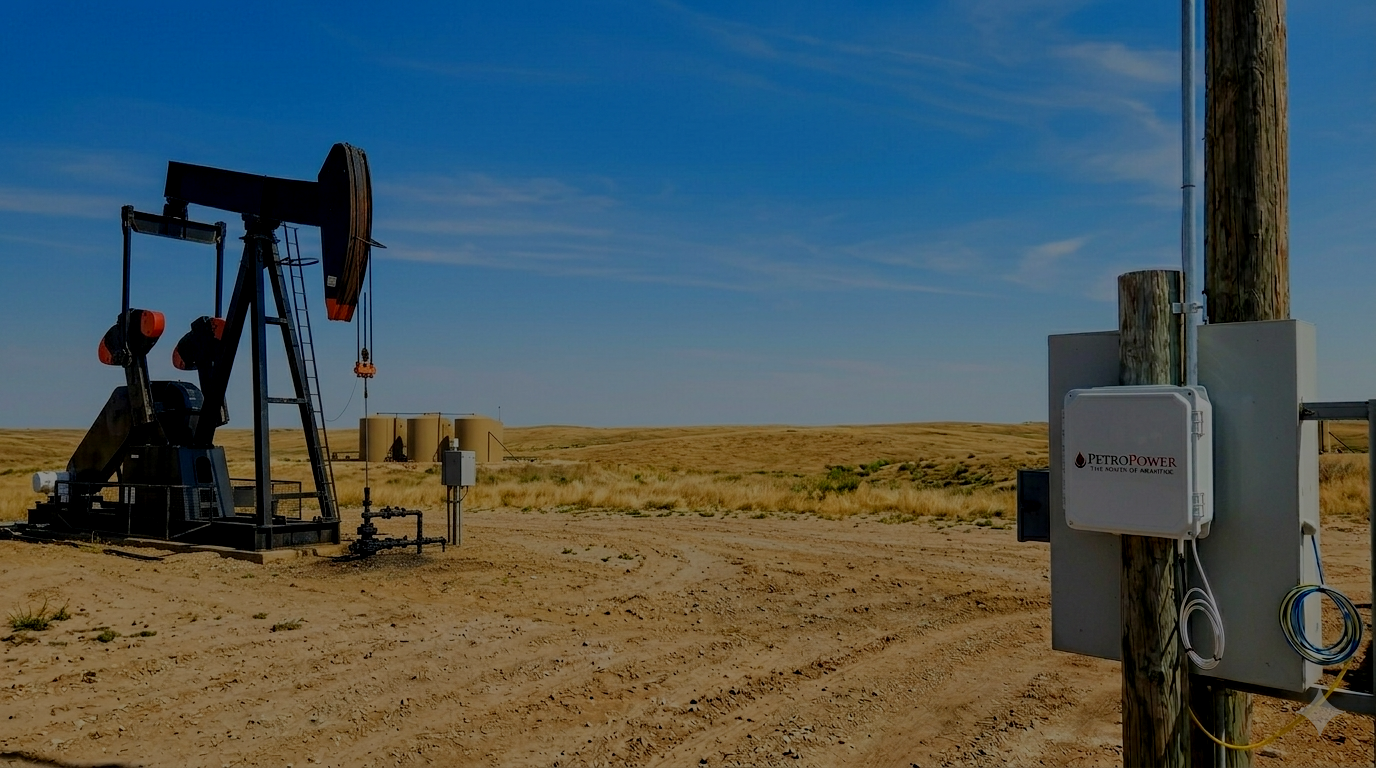
T-Rex
Smart pump control for uptime and visibility.
T-Rex helps upstream operators keep non-full-time wells producing in a smarter, more adaptive way. By detecting pump-off behavior and pounding from stroke-by-stroke motion data, T-Rex can automate pump control, reduce wear, improve visibility, and help teams respond faster when wells need attention.
Remote controls, alerts, historical reports, and smarter well optimization from one system.
Why uptime matters more.
When producing hours are more valuable, unexpected downtime becomes more expensive. Pounding damage, delayed issue detection, poor visibility, and limited control access can all reduce the value of a well that should still be producing.
T-Rex is designed to protect runtime first. Electricity savings matter, but they are not the whole story. The bigger opportunity is keeping wells producing, reducing avoidable wear, and surfacing issues sooner so your team can act with better information.
What T-Rex does
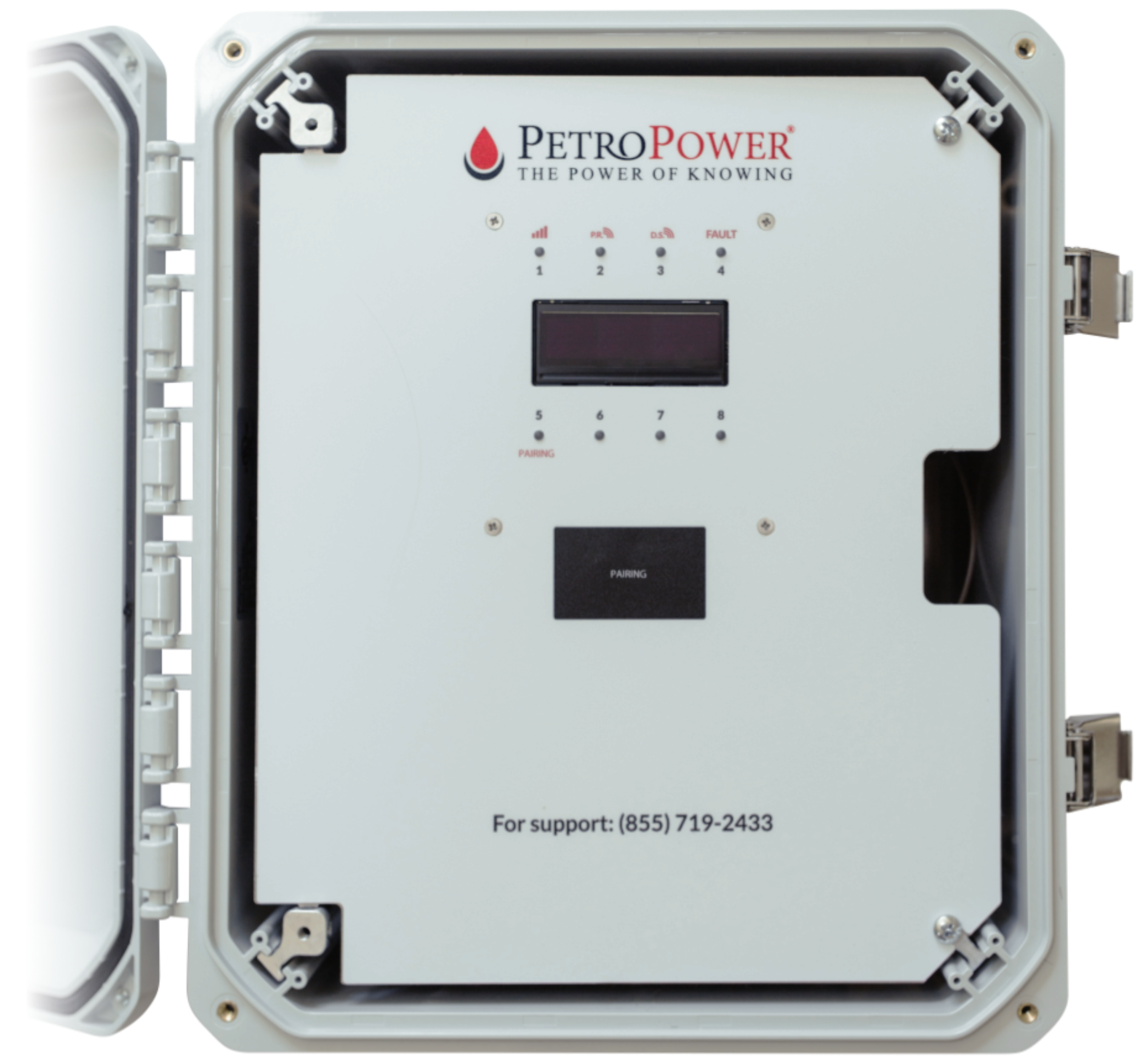
T-Rex is PetroPower’s smart pump control system for upstream wells. It combines motion sensing, automated decision-making, connectivity, web-based controls, alerts, and historical reporting to help operators manage wells more effectively across remote assets.
2 motion sensors
cellular connectivity
stroke data capture
automated decisions
web-based controls
text and email alerts
historical runtime reports
operations support
Monitor, automate, and respond remotely from one system.
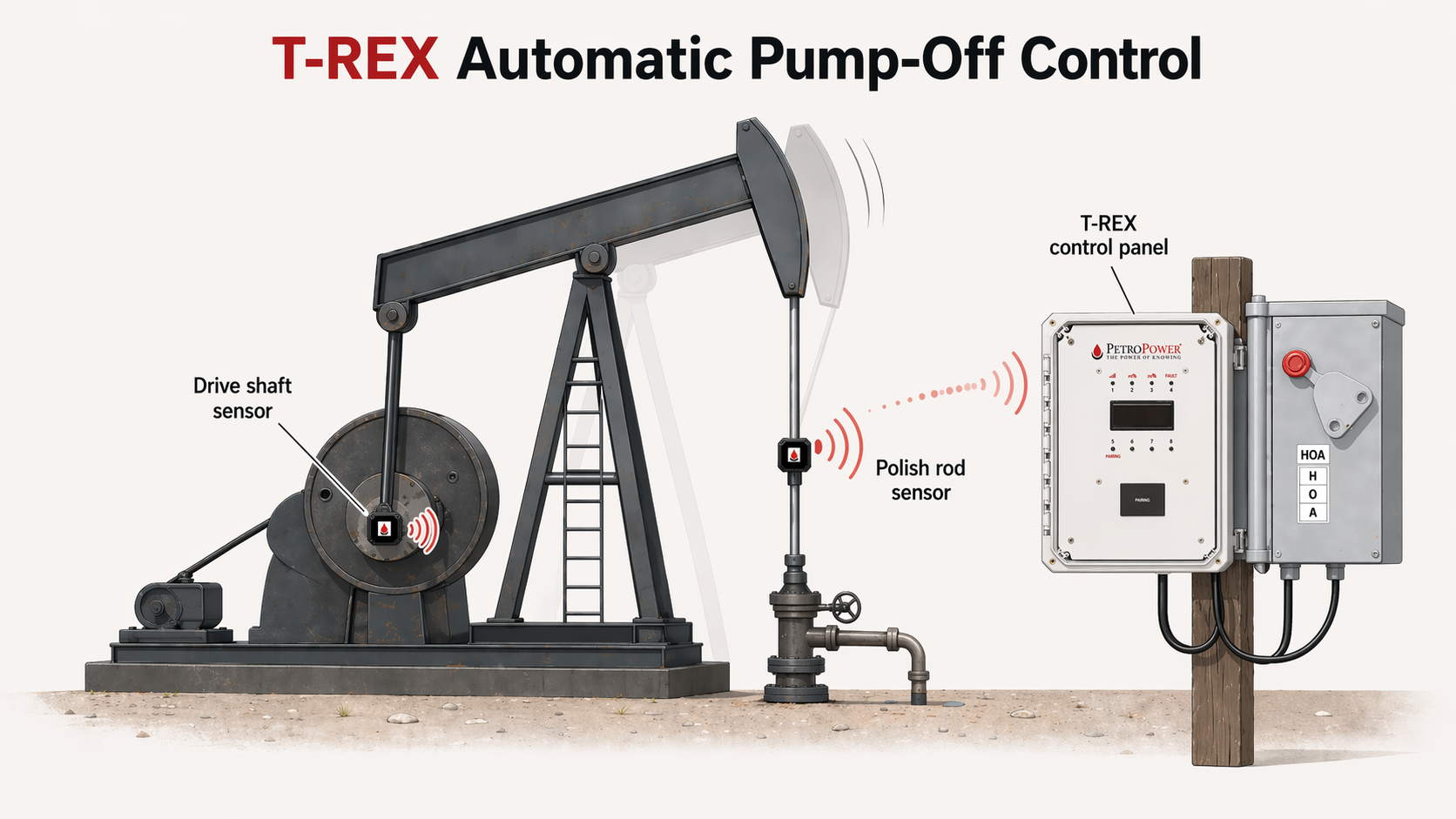
T-Rex uses highly sensitive motion sensors mounted to the polish rod and drive shaft to capture stroke-by-stroke movement data. The system analyzes changes in that motion data to detect pump-off behavior, pounding, and abnormal operating conditions.
When pounding begins, T-Rex can stop the well automatically, allow for an idle period, and restart in a more optimized pattern as conditions change.
Instead of relying on a fixed timer that can fall out of sync with changing downhole conditions, T-Rex adapts to what the well is actually doing. That gives operators a better way to keep pumping when fluid is still available and stop when pounding begins.
How smart pump control works

Our system monitors the motion data 24/7 and is tuned to look for anomalies that indicate excessive noise that indicates a pump off condition has been achieved. T-Rex Smart control will automatically adjust the pump’s run time to minimize pounding. After a rest interval, it will resume the pumping again.
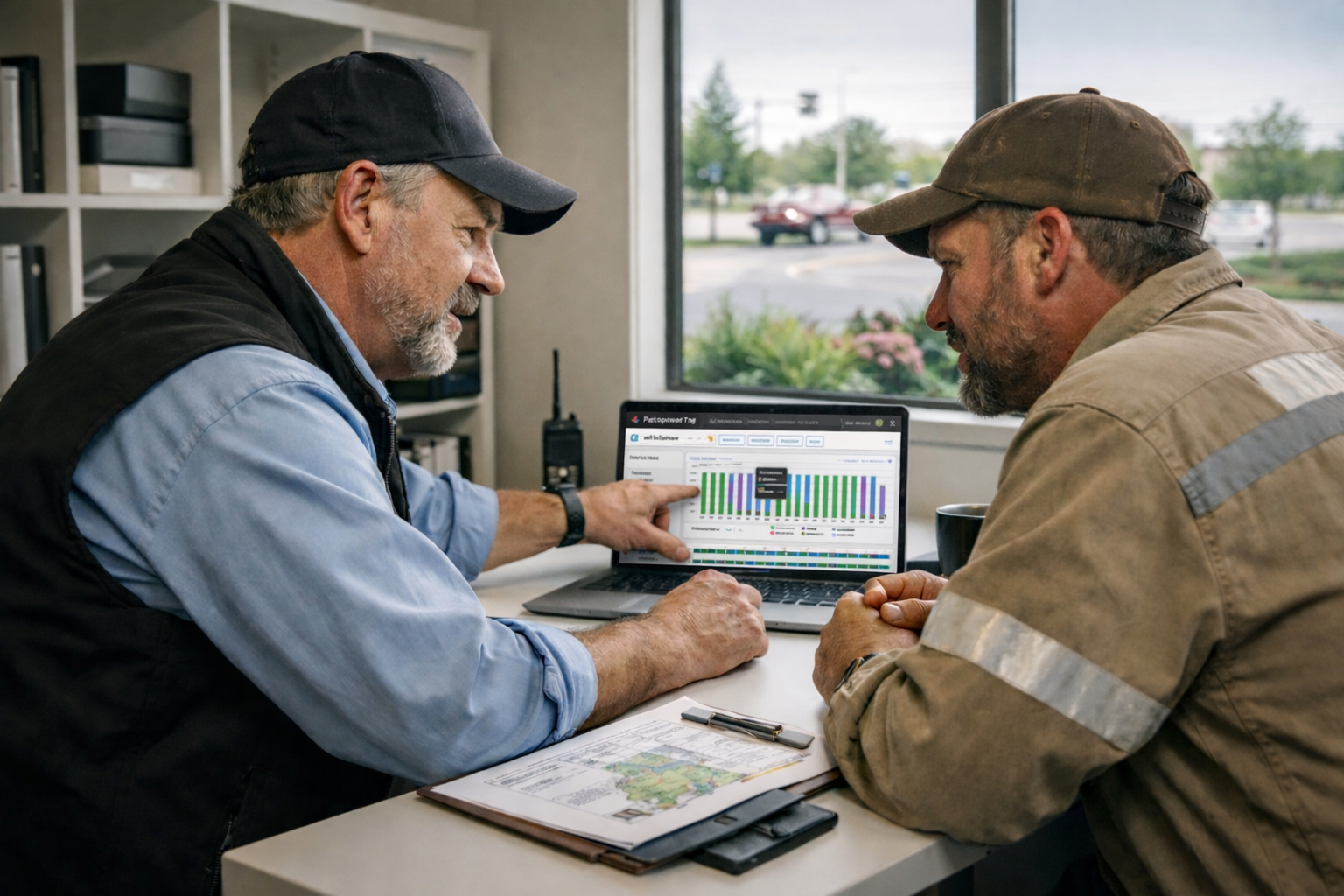
In addition to Smart run mode, T-Rex users can always choose to use our web based control to set the well to On, Off, or a customized timer setting of their choosing. T-Rex puts the control in your hands, or allows you to automate it on your behalf.
Why choose T-Rex
Physical timers stay fixed. Wells do not.
T-Rex is built to adapt as conditions change.
T-Rex Smart
✓ Real-time optimization
✓ Fully automated adjustments
✓ Stops at pounding
✓ Keeps running if more fluid is available
✓ Adapts to changing fluid conditions
✓ Can highlight underlying issues
Physical Timers
✗ Static adjustments
✗ Recurring manual analysis
✗ Blind to pounding wear
✗ Stops early even if more fluid is available
✗ Fall out of sync with reservoir dynamics
✗ Blind to issues such as tubing leaks
T-Rex is not just a timer replacement.
It is a smarter control layer that helps operators make better runtime decisions automatically.
T-Rex goes beyond timers and helps improve
Reduced wear
Less pounding means less damage, fewer failures, and longer life for production equipment.
Faster response
Alerts surface early issues before they become larger problems.
Increased uptime
Identify and respond to issues faster to keep wells producing.
Predictive insight
Historical trends can reveal developing issues earlier.
Improved visibility
Monitor runtime, trends, and well behavior from anywhere.
Electricity savings
Reduced runtime can provide additional savings, especially on wells with significant over-pumping.
More visibility for the whole team
One of T-Rex’s biggest advantages is the visibility and control it gives operators across remote assets. Knowing how a well is performing right now, and how it has been performing over time, supports faster decisions and better field prioritization.
Controls and reporting
switch wells remotely between On, Off, Timer, and Smart
monitor current well behavior from the dashboard
review historical runtime reports
use web-based access from any device
maintain control even when weather or road conditions limit site access
Alerts that help teams react sooner
T-Rex supports alerting through the web dashboard, SMS, and email. Admins can define thresholds, and users can subscribe to the wells that matter to them. Common alert types include out of control, runtime out of range, unexpected downtime, loss of connectivity, and strokes per minute out of range.
Built to surface meaningful problems early
-
![]()
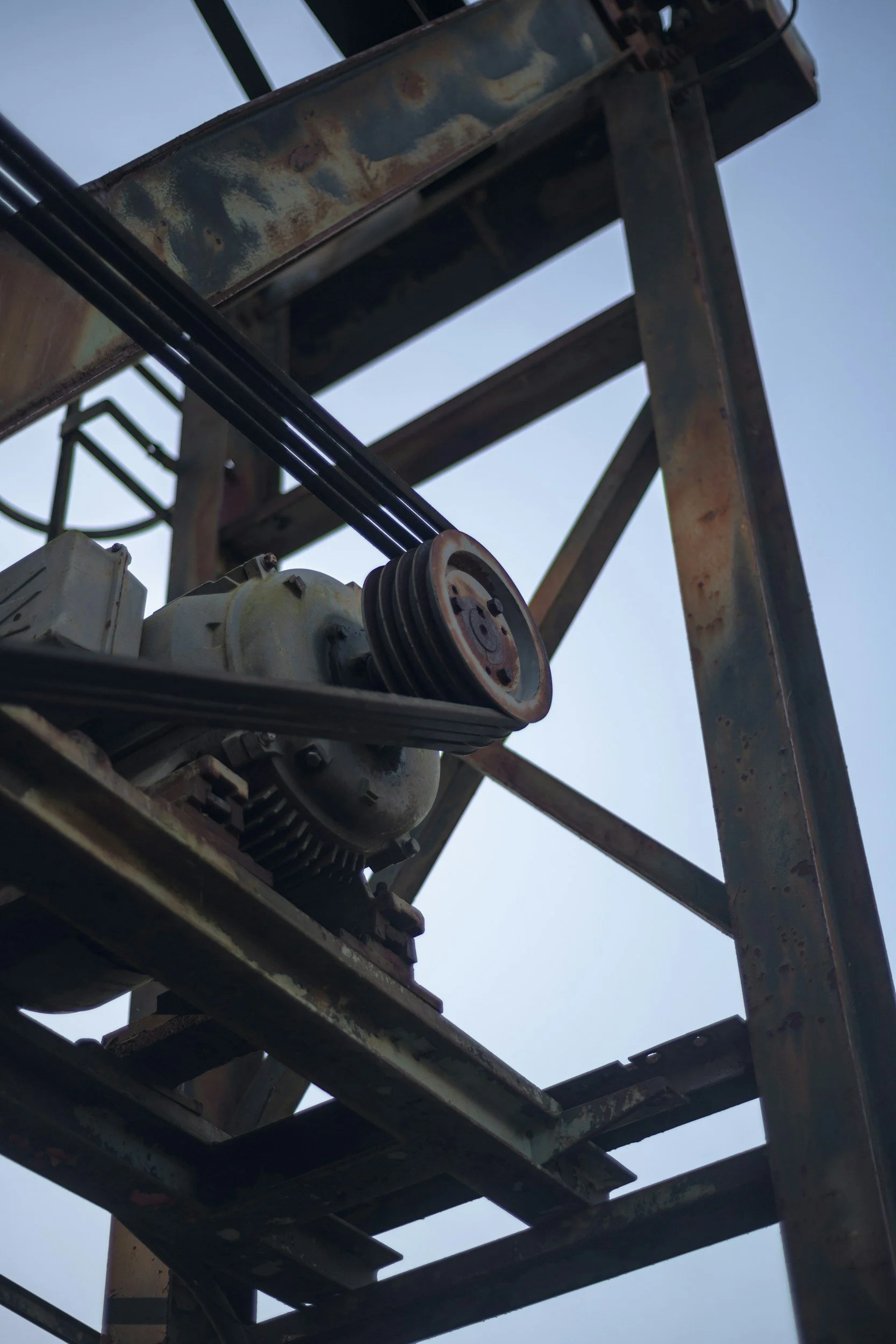
Belt slipping
A site began showing inconsistent motion stops and starts. T-Rex flagged the issue through a loss-of-control notification, helping the team identify likely belt slippage remotely and prioritize the repair before more wear and downtime followed.
-
![]()
Belt snap
Repeated out-of-control events pointed to belt slippage before a full belt failure. T-Rex helped the team investigate remotely, disable the pump to prevent additional damage and wasted electricity, and prepare for the next service trip with the right response.
-
![]()
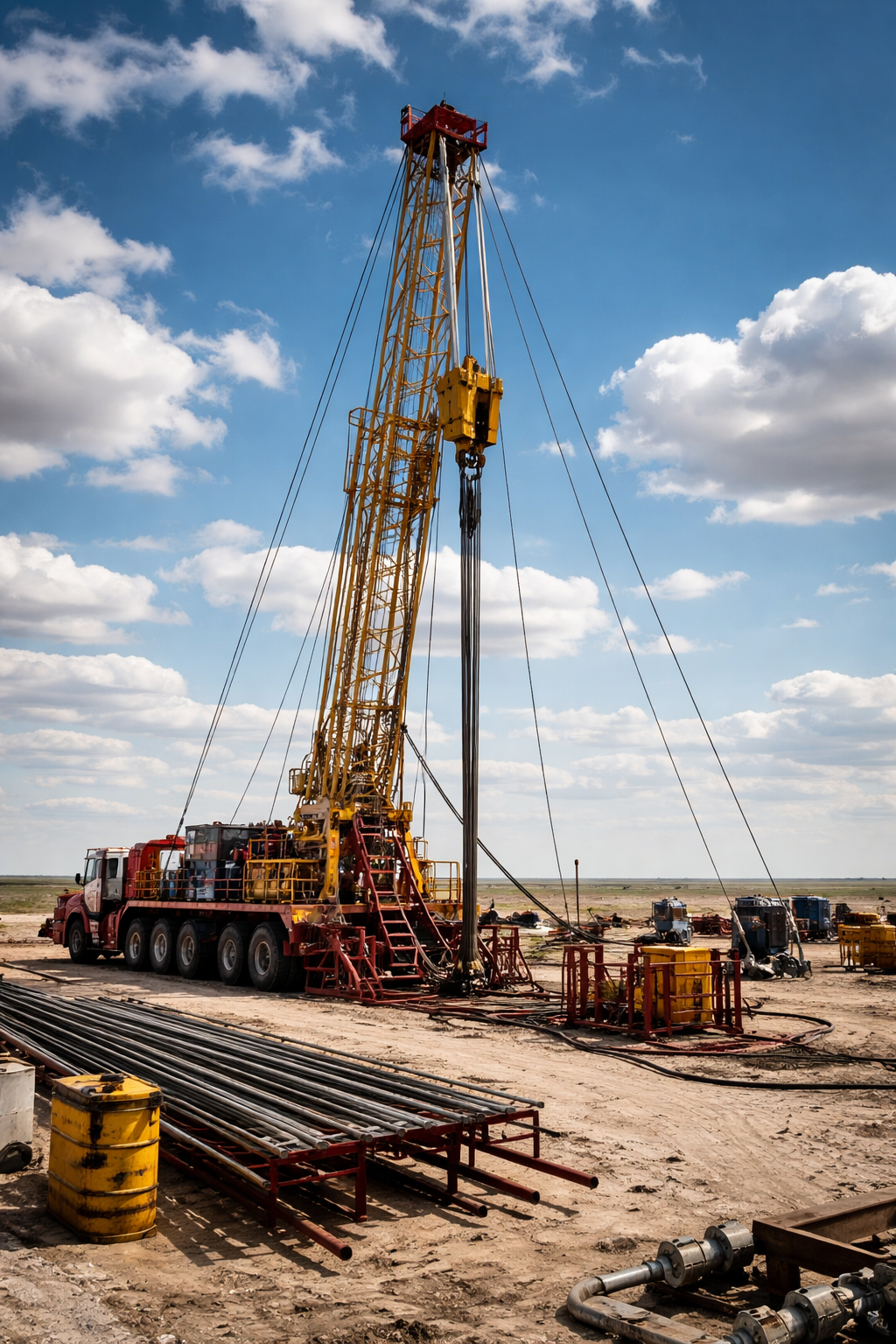
Parted rod
Irregular stroke readings triggered alerts that helped the team identify a parted rod event, disable the well remotely, and prioritize repair before losses grew.
-
![]()
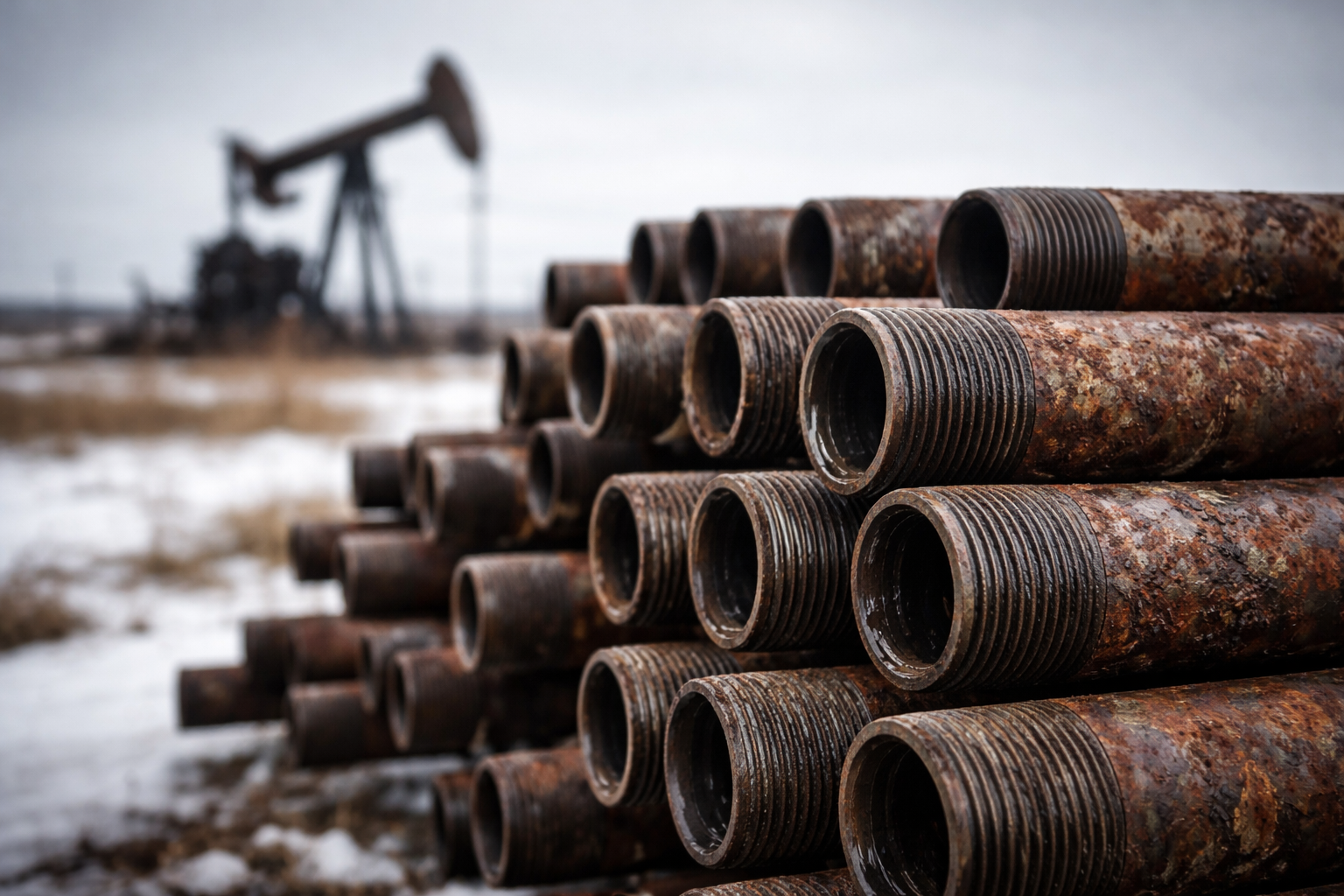
Tubing leak
A gradual change in performance over time showed up in historical runtime monitoring, helping the team identify a slow-developing tubing leak earlier than they otherwise would have.
-
![]()
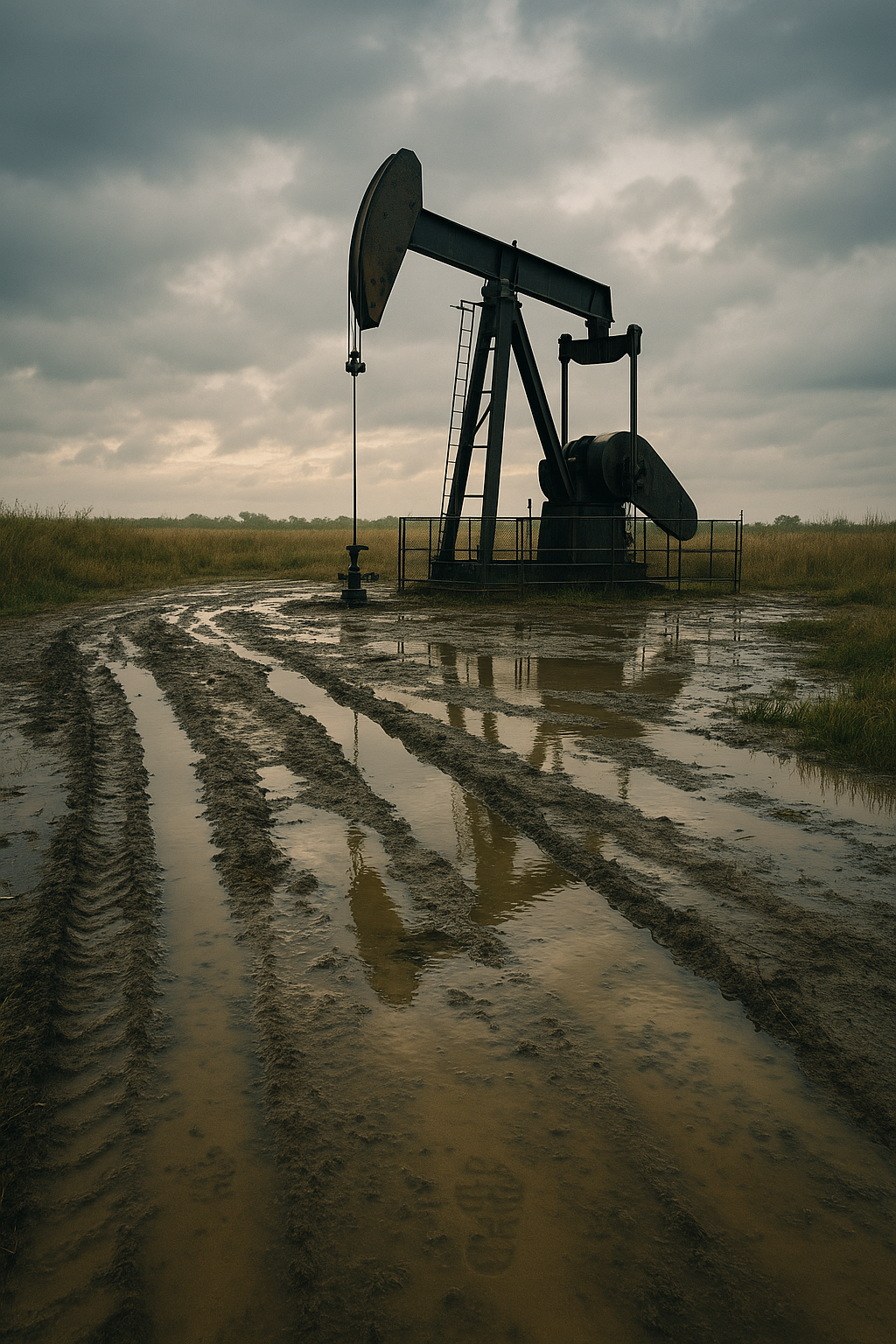
Remote access in bad weather
When road and weather conditions limit site access, T-Rex still gives operators monitoring and well control from the web dashboard, helping them stay informed and act remotely when needed.

T-Rex is valuable not only when everything is working normally, but when field conditions start to drift and issues need attention before they become more expensive.
Low risk. High value.
T-Rex is designed to be easy to adopt and low risk to trial across a portfolio.
$100 per well/month
no capital expenditure
cancel anytime
relocate anytime
unlimited users
24/7 monitoring and alerts
dedicated customer support
Value model
T-Rex is positioned around a practical monthly value case created by a combination of increased uptime, reduced wear, remote visibility and control, and electricity savings. The exact value will vary by site, but the commercial model is intentionally designed to reduce upfront risk.
Some sites will create more value than others – and this can change month to month or seasonally. The amount of pounding, site variability, and overall physical condition all affect the magnitude of benefit.
Common questions
-
T-Rex installers handle most of the setup, while electrical work is framed as simple final connections. Installation is not dependent on pre-install testing.
-
The commercial model is designed to minimize upfront risk, while value can come from reduced wear, electricity savings, improved visibility, and faster recognition of issues. Value is realized day 1 with visibility/control, and increases as soon as SMART control is achieved – typically within 1-2 weeks of install.
-
Yes. In fact, T-Rex is positioned as a way to extend the productive life of aging wells while keeping commitment low and allowing relocation if a different site becomes a better fit.
-
No. T-Rex helps good pumpers become more effective by surfacing issues earlier and improving communication and visibility across the team. Pumpers who use T-Rex on their wells often cite increased productivity, faster response time to issues, and new insights that lead to better pump management.
-
T-Rex is a subscription model. You rent the equipment and the service for $100 per month/well.
A setup fee of $750 is charged per install.
Single well installations pay the setup fee and first year in advance ($100×12 months + $750 = $1,950 up front). These wells go month-to-month at $100/month subscription after the first 12 months.
Customers who install 20+ wells get a bulk discount and go straight to month-to-month payments. That is a $750 savings per well and only $100 per well on day one. -
There is no long-term commitment. Customers can cancel any time or move the T-Rex installation to a new location at no charge.
How deployment works
-
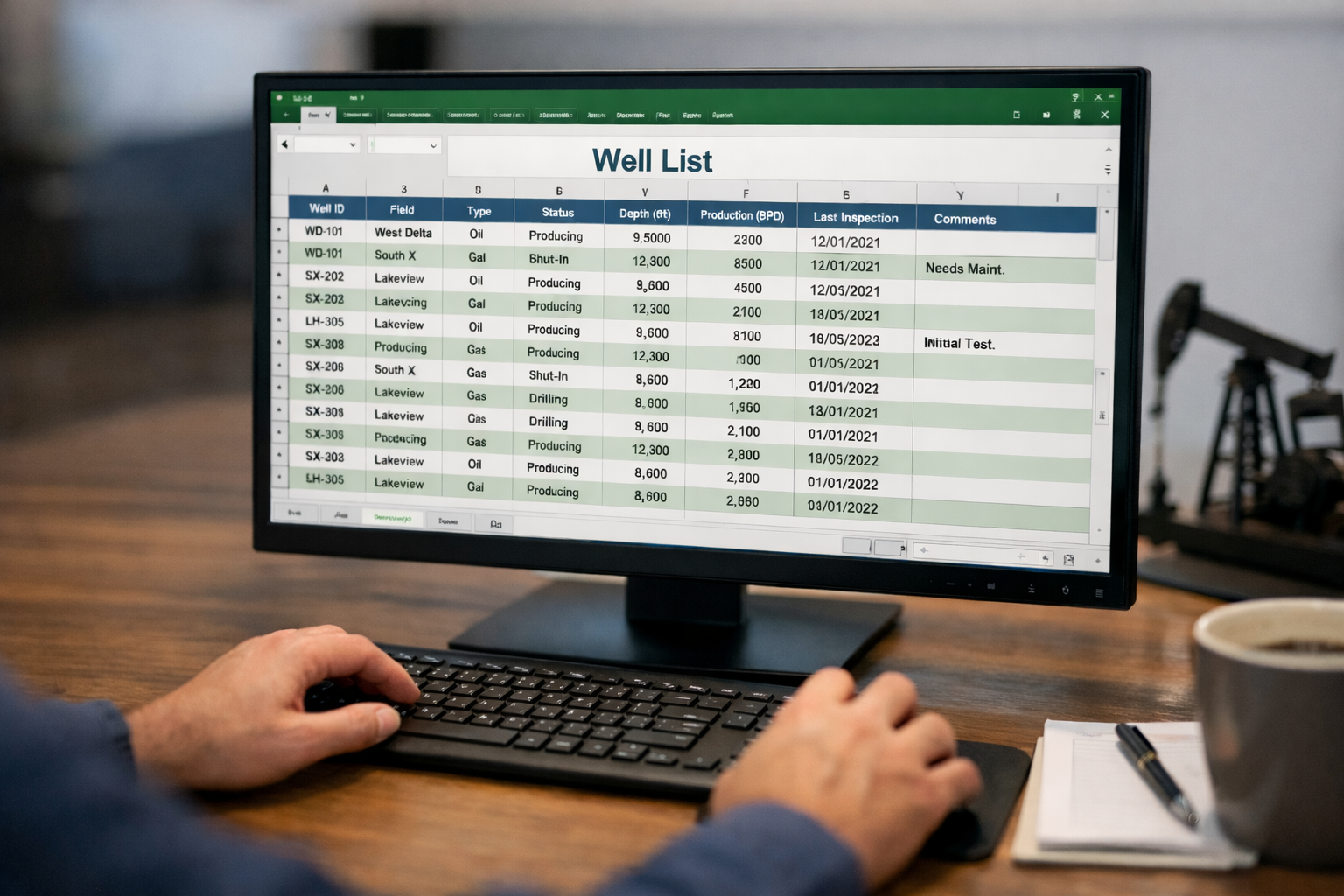
1. Provide well list
Select active vertical electric wells and, if available, include well bore schematics.
-

2. T-Rex installation
PetroPower technicians install the equipment on site or flag any issues that need attention.
-
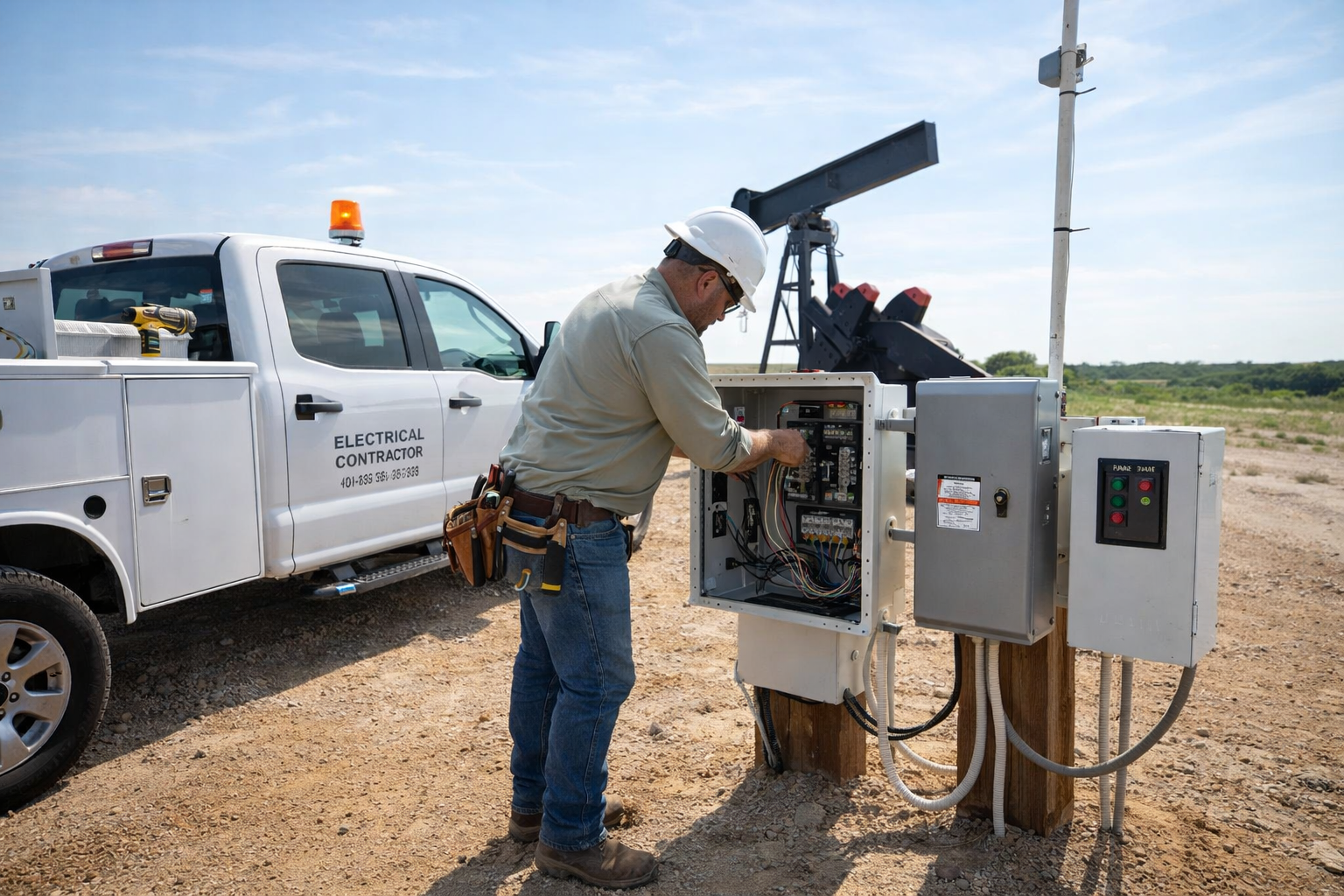
3. Electrician hookup
Schedule final electrical connection.
-
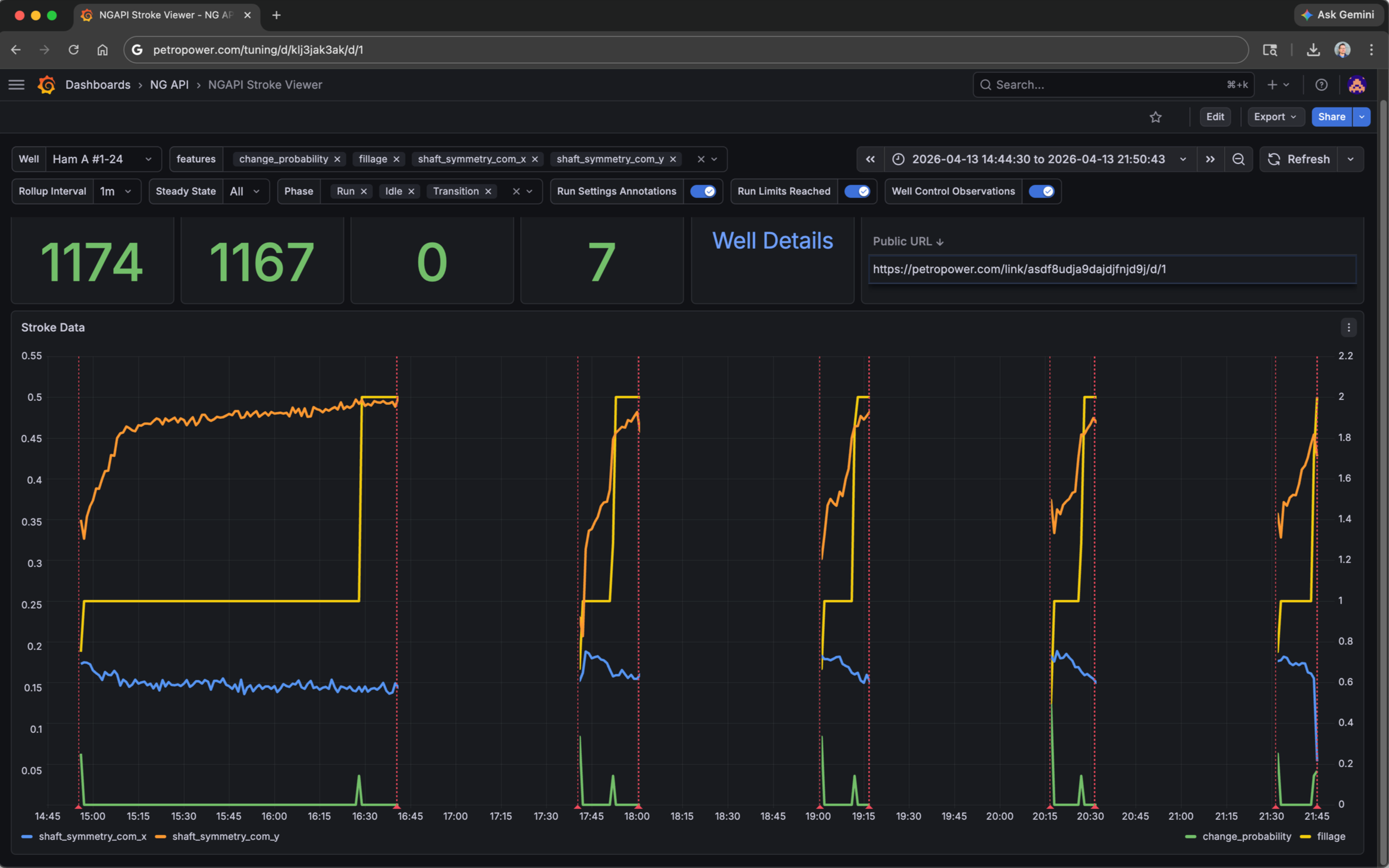
4. PetroPower tuning
Operations support configures and tunes the site.
The rollout is designed to be low-friction so customers can get live quickly and start creating value without heavy upfront complexity. Installation happens within 1-2 weeks and the Smart tuning process takes an additional 1-2 weeks before your well can be fully automated.

Ready to see which wells are a fit?
If you want to improve uptime, reduce pounding-related wear, and give your team better visibility and control across upstream wells, T-Rex is the next conversation to have.
We can review your active vertical electric wells and help identify where T-Rex is most likely to create value.